




If your soil feels gritty or crumbles between your fingers rather than sticking together in a ball, and water disappears fast after a rain, you might assume your soil needs help. But Cross Timbers soils do not need help, they need the right plants growing in it. This ecoregion is a patchwork of Post Oak and Blackjack Oak woodland and open prairie that runs through much of North Texas, including Fort Worth, Denton, Weatherford, and Granbury. The soils here are often sandy or loamy, sometimes shallow or rocky over sandstone, and they drain much faster than the heavy black clay found farther east in the Blackland Prairie.
That fast drainage is a double-edged sword. It means roots get plenty of oxygen and rarely sit in standing water — but it also means the soil dries out quickly and holds onto fewer nutrients. Plants built for this ground tend to be deep-rooted, drought-tolerant, and unbothered by poor fertility.
Working with fast-draining soil
The instinct with poor, sandy or rocky soil is often to load it up with compost or topsoil. Native Cross Timbers plants are adapted to lean, quick-draining conditions, and rich amended soil can actually work against them - encouraging soft, leggy growth and root rot in species that expect to go hungry and dry between rains. A light mulch layer to moderate soil temperature and slow evaporation is usually enough. Water deeply but infrequently to encourage roots to grow down rather than staying shallow, and give new plantings a full season or two to establish before expecting them to shrug off a Texas summer unassisted.
Trees

- Desert Willow 'Bubba' (Chilopsis linearis)
- Mexican Plum (Prunus mexicana)
- Cedar Elm (Ulmus crassifolia)
- Western Soapberry (Sapindus saponaria var. drummondii)
- Eve's Necklace (Styphnolobium affine)
- Honey Mesquite (Prosopis glandulosa)
- Mexican Buckeye (Ungnadia speciosa)
- Texas Prickly Ash (Zanthoxylum hirsutum)
Shrubs

- Elbow Bush (Forestiera pubescens)
- Texas Kidneywood (Eysenhardtia texana)
-
Aromatic Sumac (Rhus aromatica)
-
Fragrant Mimosa (Mimosa borealis)
- Leadplant (Amorpha canescens)
- Agarita (Mahonia trifoliolata)
Perennials and wildflowers

-
Milkweeds - Antelope Horn (Asclepias asperula), Green Milkweed (Asclepias viridis), and Butterfly Weed (Asclepias tuberosa)
- Cream Wild Indigo (Baptisia bracteata)
- Black Dalea (Dalea frutescens)
- Winecup (Callirhoe involucrata)
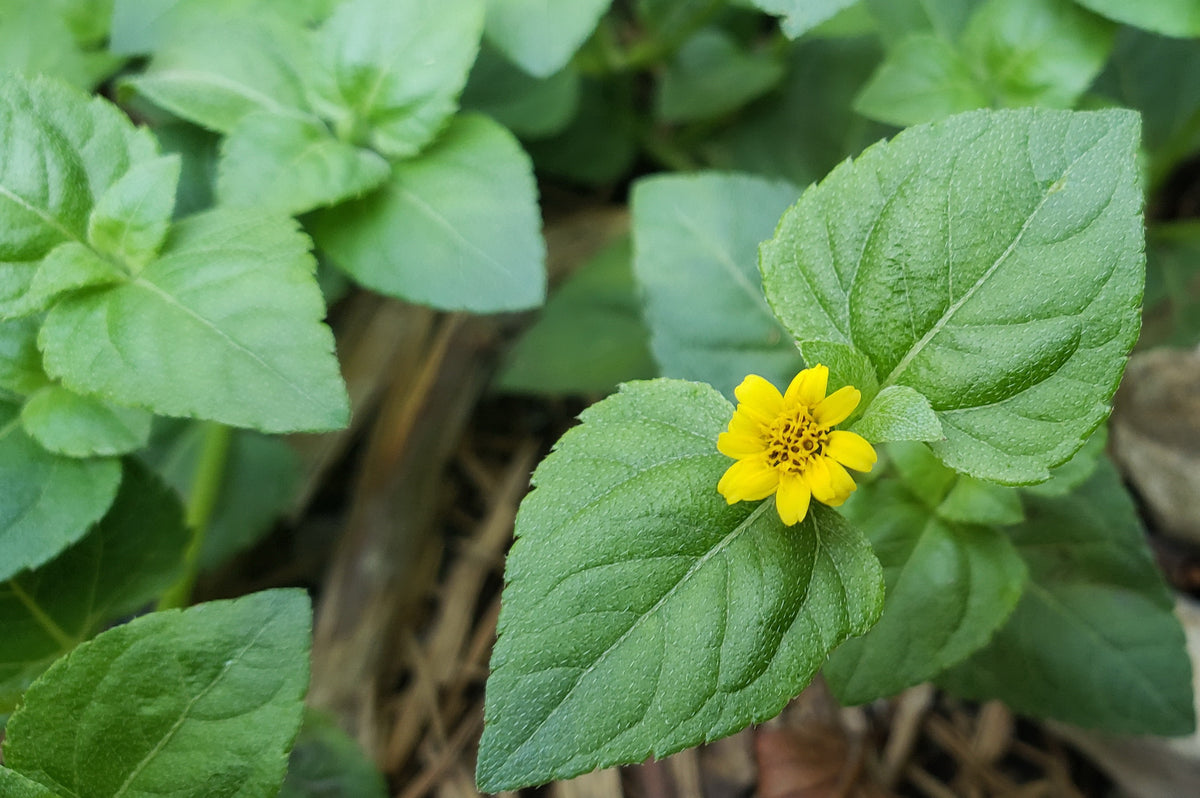
- Horseherb (Calyptocarpus vialis)
- Prairie Clovers - Purple Clover (Dalea purpurea), White Prairie Clover (Dalea multiflora), Compact Prairie Clover (Dalea compacta), Black Dalea (Dalea frutescens) and Golden Dalea (Dalea aurea).
- Snake Herb (Dyschoriste linearis)
- Cutleaf Daisy (Engelmannia peristenia)
- Pincushion Daisy (Gaillardia suavis)
- Maximilian Sunflower (Helianthus maximiliani)
- Red Yucca (Hesperaloe parviflora)
- Texas Lantana (Lantana urticoides)
- Gayfeathers - Rough Gayfeather (Liatris aspera) and Texas Gayfeather (Liatris punctata var. mucronata)
- Spotted Beebalm (Monarda punctata)
- Texas Beargrass (Nolina texana)
-
Frogfruit (Phyla nodiflora)
- Mealy Blue Sage (Salvia farinacea)
- Bush Sunflower (Simsia calva)
- Gray Goldenrod (Solidago nemoralis)
- Fall Aster (Symphyotrichum oblongifolium)
- Four-nerve Daisy (Tetraneuris scaposa)
- White Sagebrush (Artemisia ludoviciana)
- Texas Primrose (Calylophus berlandieri ssp. pinifolius)
- Carolina Larkspur (Delphinium carolinianum)
- Leavenworth's Eryngo (Eryngium leavenworthii)
- Blanketflower (Gaillardia pulchella)
- Prairie Verbena (Glandularia bipinnatifida)
- Hairy Sunflower (Helianthus hirsutus)
- Barbara's Buttons (Marshallia caespitosa)
- Blackfoot Daisy (Melampodium leucanthum)
- Lemon Beebalm (Monarda citriodora)
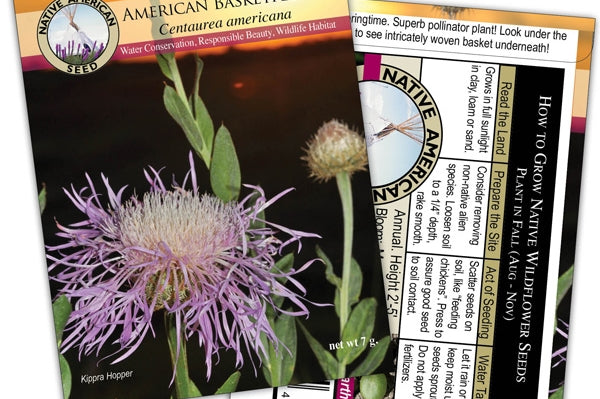
- American Basketflower (Plectocephalus americana)
- Azure Blue Sage (Salvia azurea)
- Purple Skullcap (Scutellaria wrightii)
- White Rosinweed (Silphium albiflorum)
- Compass Plant (Silphium laciniatum)
- Woolly Ironweed (Vernonia lindheimeri)
- Pale-Leaf Yucca (Yucca pallida)
Grasses

Native grasses evolved right alongside these sandy, well-drained soils, and their deep, fibrous roots handle drought better than almost anything else you can plant:
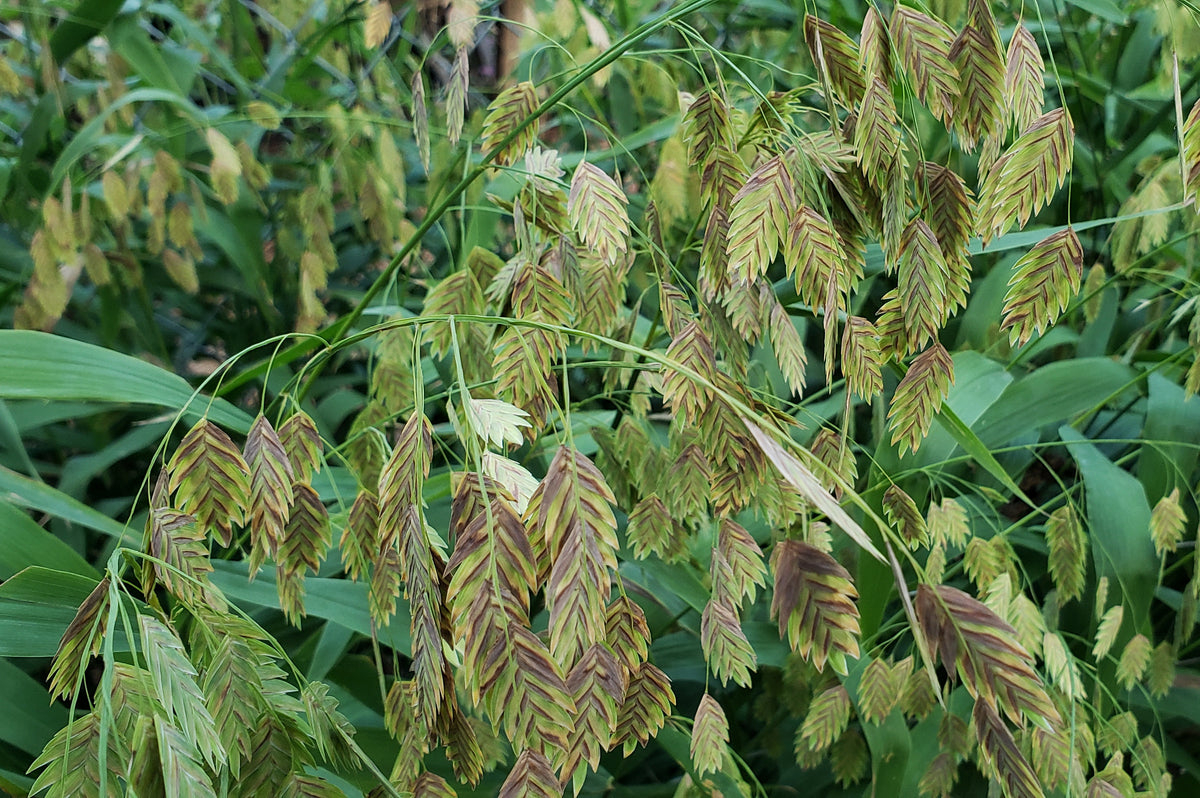
- Big Bluestem (Andropogon gerardii)
- Purple Threeawn (Aristida purpurea)
- Sideoats Grama (Bouteloua curtipendula)
-
Buffalograss (Bouteloua dactyloide) and Blue Grama (Bouteloua gracilis)
- Texas Cupgrass (Eriochloa sericea)
- Webberville Sedge (Carex perdentata)
- Woodland Sedge (Carex blanda)
- Cherokee Sedge (Carex cherokeensis)
- Seep Muhly (Muhlenbergia reverchonii)
- Switchgrass (Panicum virgatum)
- Little Bluestem (Schizachyrium scoparium)
- Indiangrass (Sorghastrum nutans)
- Pink Fluffgrass (Tridens congestus)
Vines

- Coral Honeysuckle (Lonicera sempervirens)
- Virginia Creeper (Parthenocissus quinquefolia)
- Yellow Passion Flower (Passiflora lutea)
- Pearl Milkweed Vine (Matelea reticulata)
- Western White Honeysuckle (Lonicera albiflora)
A note on choosing the right plant for the right spot
Not sure which ecoregion your yard falls in? Look up your address on an ecoregion map You can also check your soil by hand — a handful of moist soil that feels gritty or crumbles apart points toward the Cross Timbers, while soil that's sticky and holds together like modeling clay points toward the Blackland Prairie farther east. Plenty of North Texas yards sit right on the boundary between the two, so it's completely fine to mix plants from both lists, depending on the conditions specific to your garden.
Every purchase puts 5% toward a Texas conservation nonprofit of your choosing.
